Small ゃ, ゅ, ょ: How Japanese Combined Sounds Work
Read combinations such as きゃ and しゅ as one beat, compare hiragana with katakana, and hear why びょういん and びよういん are different words.
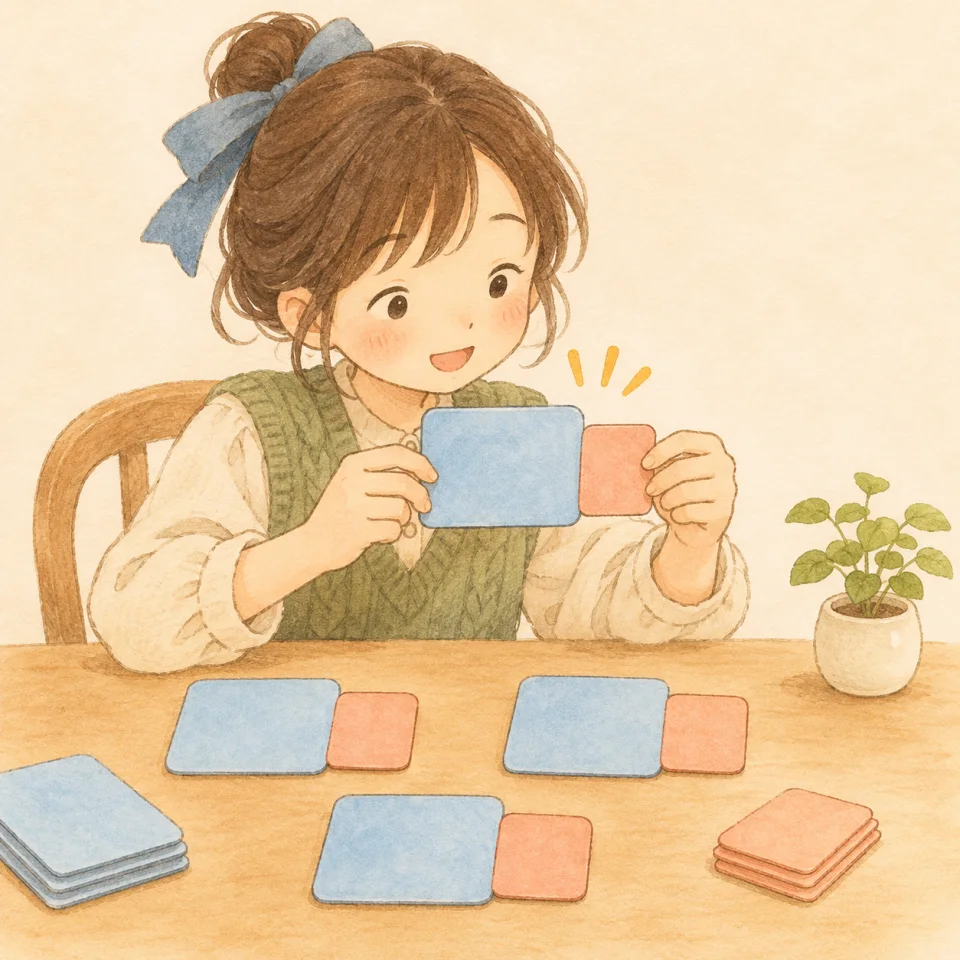
Two written characters can make one beat
In きゃ, the small ゃ combines with き. Say the combination as kya, without giving the i vowel a separate full beat before ya. Written きや is different: it has a full-size や and is read ki-ya, with two beats.
Japanese calls these small-kana combinations yōon, 拗音. Common starting kana include き, し, ち, に, ひ, み, and り, with voiced and p-row combinations such as ぎゃ, じゃ, びゃ, and ぴゃ as well. You cannot simply attach a small y-kana to every character in the i column.
| Writing | Reading aid | Beats | What changes |
|---|---|---|---|
| きゃ | kya | One: きゃ | The small ゃ forms a single combined beat |
| きや | ki-ya | Two: き・や | Full-size や gets its own beat |
| しゅ | shu | One: しゅ | The small ゅ is part of the combination |
| しゆ | shi-yu | Two: し・ゆ | The two characters are read separately |
Read across the three columns
Practice a row such as きゃ, きゅ, きょ, then try the characters out of order. Recognizing a single combination is a different skill from reciting the complete row.
The chart uses common romanizations such as sha, shu, sho and cha, chu, cho. You may also encounter spellings or keyboard input sequences such as sya. These are different ways of representing or entering the same kana, not additional kana to learn.
| ya | yu | yo |
|---|---|---|
| きゃkya Play Japanese pronunciation of きゃ | きゅkyu Play Japanese pronunciation of きゅ | きょkyo Play Japanese pronunciation of きょ |
| しゃsha Play Japanese pronunciation of しゃ | しゅshu Play Japanese pronunciation of しゅ | しょsho Play Japanese pronunciation of しょ |
| ちゃcha Play Japanese pronunciation of ちゃ | ちゅchu Play Japanese pronunciation of ちゅ | ちょcho Play Japanese pronunciation of ちょ |
| にゃnya Play Japanese pronunciation of にゃ | にゅnyu Play Japanese pronunciation of にゅ | にょnyo Play Japanese pronunciation of にょ |
| ひゃhya Play Japanese pronunciation of ひゃ | ひゅhyu Play Japanese pronunciation of ひゅ | ひょhyo Play Japanese pronunciation of ひょ |
| みゃmya Play Japanese pronunciation of みゃ | みゅmyu Play Japanese pronunciation of みゅ | みょmyo Play Japanese pronunciation of みょ |
| りゃrya Play Japanese pronunciation of りゃ | りゅryu Play Japanese pronunciation of りゅ | りょryo Play Japanese pronunciation of りょ |
| ぎゃgya Play Japanese pronunciation of ぎゃ | ぎゅgyu Play Japanese pronunciation of ぎゅ | ぎょgyo Play Japanese pronunciation of ぎょ |
| じゃja Play Japanese pronunciation of じゃ | じゅju Play Japanese pronunciation of じゅ | じょjo Play Japanese pronunciation of じょ |
| びゃbya Play Japanese pronunciation of びゃ | びゅbyu Play Japanese pronunciation of びゅ | びょbyo Play Japanese pronunciation of びょ |
| ぴゃpya Play Japanese pronunciation of ぴゃ | ぴゅpyu Play Japanese pronunciation of ぴゅ | ぴょpyo Play Japanese pronunciation of ぴょ |
VOICEVOX:四国めたん
The same rule applies to katakana
Katakana uses small ャ, ュ, and ョ. In シャツ, “shirt,” シャ is one beat; in チョコ, “chocolate,” チョ is one beat. キャ and キヤ are not just two typographic styles for the same spelling. Their character sizes signal a real difference in timing.
| ya | yu | yo |
|---|---|---|
| キャkya Play Japanese pronunciation of キャ | キュkyu Play Japanese pronunciation of キュ | キョkyo Play Japanese pronunciation of キョ |
| シャsha Play Japanese pronunciation of シャ | シュshu Play Japanese pronunciation of シュ | ショsho Play Japanese pronunciation of ショ |
| チャcha Play Japanese pronunciation of チャ | チュchu Play Japanese pronunciation of チュ | チョcho Play Japanese pronunciation of チョ |
| ニャnya Play Japanese pronunciation of ニャ | ニュnyu Play Japanese pronunciation of ニュ | ニョnyo Play Japanese pronunciation of ニョ |
| ヒャhya Play Japanese pronunciation of ヒャ | ヒュhyu Play Japanese pronunciation of ヒュ | ヒョhyo Play Japanese pronunciation of ヒョ |
| ミャmya Play Japanese pronunciation of ミャ | ミュmyu Play Japanese pronunciation of ミュ | ミョmyo Play Japanese pronunciation of ミョ |
| リャrya Play Japanese pronunciation of リャ | リュryu Play Japanese pronunciation of リュ | リョryo Play Japanese pronunciation of リョ |
| ギャgya Play Japanese pronunciation of ギャ | ギュgyu Play Japanese pronunciation of ギュ | ギョgyo Play Japanese pronunciation of ギョ |
| ジャja Play Japanese pronunciation of ジャ | ジュju Play Japanese pronunciation of ジュ | ジョjo Play Japanese pronunciation of ジョ |
| ビャbya Play Japanese pronunciation of ビャ | ビュbyu Play Japanese pronunciation of ビュ | ビョbyo Play Japanese pronunciation of ビョ |
| ピャpya Play Japanese pronunciation of ピャ | ピュpyu Play Japanese pronunciation of ピュ | ピョpyo Play Japanese pronunciation of ピョ |
VOICEVOX:四国めたん
Keep the long vowel after the combination
病院, “hospital,” is びょういん. 美容院, “hair salon,” is びよういん. The first begins with combined びょ, while the second separates び and full-size よ.
There is another timing point: びょ is one beat, but びょう has two. The following う extends the vowel. Do not compress the whole sequence merely because the first two written kana form a single combination.
| Word | Kana | Practice beats | Meaning |
|---|---|---|---|
| 病院 | びょういん | びょ・う・い・ん: four | hospital |
| 美容院 | びよういん | び・よ・う・い・ん: five | hair salon |
| 今日 | きょう | きょ・う: two | today |
| 写真 | しゃしん | しゃ・し・ん: three | photograph |
病院へ行きます。
写真を撮ります。
Small っ is a different feature
Small ゃ, ゅ, and ょ combine with a preceding kana. Small っ marks a timing feature of its own and occupies a beat. Long vowels also occupy extra time, as in きょう or the ー in シャープ. Seeing a small character is not enough to decide how it should sound; identify which character it is.
Try it yourself
Alternate きゃ/きや and しゅ/しゆ. Then split しゃしん, きょう, and びょういん into beats. Finally, write きゅ, しょ, and ぴゃ in katakana.
Answers: しゃ・し・ん; きょ・う; びょ・う・い・ん. The katakana forms are キュ, ショ, and ピャ. Clapping can help you notice the timing, but natural speech should not sound like a series of mechanical stops.
Review the basic kana chart or dakuten and handakuten whenever a shape is unfamiliar. Writing conventions are described in the Agency for Cultural Affairs’ modern kana rules.
Practice with word cards
Read next
Writing & Pronunciation
How to Read the Japanese Kana Chart: A Beginner’s Guide
Make sense of the gojuon chart, connect hiragana with katakana, and start reading short words instead of memorizing the chart only in order.
Writing & Pronunciation
What Is Hiragana? How It Works and How to Start Learning
See how hiragana carries words, particles, and verb endings, then build a practice routine that connects each shape with a sound and a useful word.
Writing & Pronunciation
How to Read Katakana: Loanwords, Long Vowels, and Common Traps
Start with familiar words such as コーヒー and テレビ, then learn to notice long-vowel marks, small kana, and easily confused character shapes.
Writing & Pronunciation
Dakuten and Handakuten: Reading が, ざ, だ, ば, and ぱ
Learn what the two dots and small circle do, compare hiragana and katakana, and practice the sound distinctions inside familiar Japanese words.