What Is Furigana? A Guide to the Small Readings Above Kanji
Learn what ruby readings tell you, how they differ from romaji and okurigana, and when to use them as support while reading Japanese.
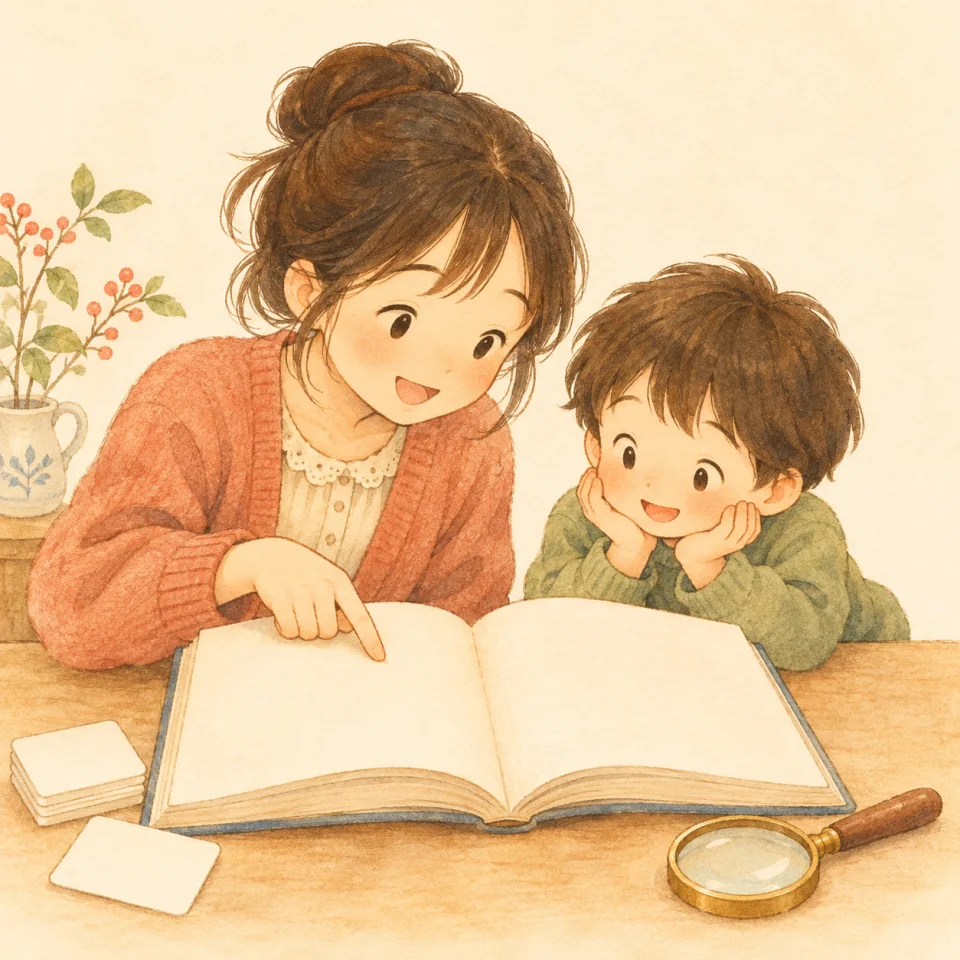
Read the small text with the word below it
When 漢字 has かんじ above it, the small kana give you the reading kanji. This arrangement is often called ruby typography on the web. It keeps the written word visible while giving the reader pronunciation support.
Pay attention to the whole word being annotated. A reading above a compound may belong to the compound as a unit. You cannot always split it into one reading per character and reuse those pieces in another word.
日本語を勉強します。
Furigana, okurigana, and romaji do different jobs
In 食べる, the full-size べる after the kanji is part of the written word. It is okurigana, not furigana. A small た placed above 食 would be a reading guide. One contributes to the spelling of the word; the other helps you read it.
Romaji uses the Latin alphabet, as in kanji for かんじ. Furigana normally uses kana. Once you recognize kana, reading the guide directly avoids an extra trip through English spelling conventions.
Use the guide without letting it do all the work
For a new word, use furigana to connect the sound, spelling, and meaning. When the word becomes familiar, try reading the kanji before checking the guide. If you need support, look: understanding a passage matters more than keeping a reading aid hidden.
It can help to separate two questions: “Do I know what this word means?” and “Can I recall its reading?” A missed reading does not automatically mean you have forgotten everything about the word.
KotobaHoshi articles follow saved furigana display preferences for signed-in learners. Readings are shown where reading data exists; unfamiliar names or compounds should be checked rather than annotated by guesswork.
Try a small reading check
Look at 日本語, say the reading, and then check the kana above it. Next, read the complete example aloud. To understand why a kanji can have different readings in different words, continue with on’yomi and kun’yomi.
Practice with word cards
Read next
Writing & Pronunciation
What Is Hiragana? How It Works and How to Start Learning
See how hiragana carries words, particles, and verb endings, then build a practice routine that connects each shape with a sound and a useful word.
Kanji & Readings
On’yomi and Kun’yomi: Why Kanji Have Different Readings
Use real words built with 山, 水, and 人 to understand the two reading categories—and learn why the whole word matters more than a one-reading rule.
Writing & Pronunciation
How to Read the Japanese Kana Chart: A Beginner’s Guide
Make sense of the gojuon chart, connect hiragana with katakana, and start reading short words instead of memorizing the chart only in order.
Writing & Pronunciation
Dakuten and Handakuten: Reading が, ざ, だ, ば, and ぱ
Learn what the two dots and small circle do, compare hiragana and katakana, and practice the sound distinctions inside familiar Japanese words.