The Japanese Masu-Form: Polite Verbs Made Practical
Build polite verb forms by group, then practice positive, negative, past, and past-negative endings in short, useful sentences.
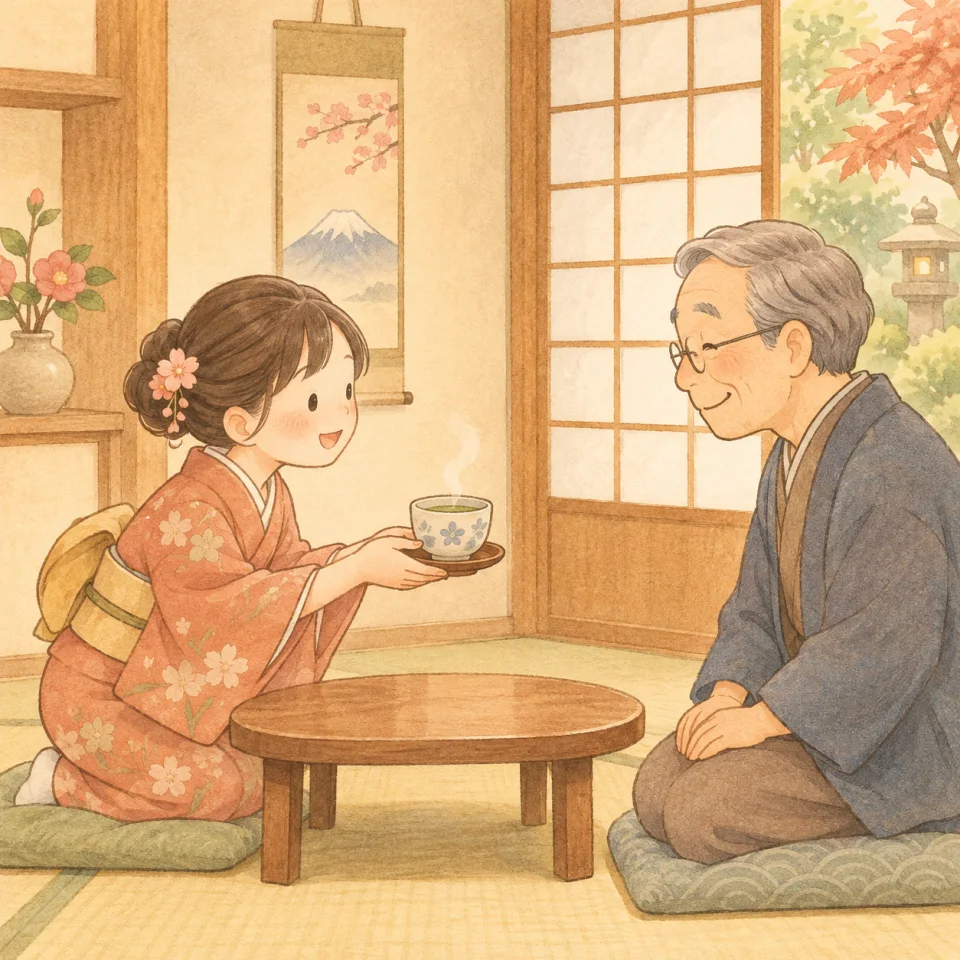
Politeness and time are separate questions
You will often hear masu-forms in classrooms, workplaces, and conversations with people you do not know well. They help set a polite tone.
A form such as 食べます is non-past: it can describe a habit or a future action, depending on context. Do not automatically read it as an English present progressive. “I’m eating right now” commonly needs a different pattern, such as 食べています.
| Group | How to form it | Examples |
|---|---|---|
| Godan | Change the final u-row sound to its i-row counterpart, then add ます | 書く → 書きます; 話す → 話します |
| Ichidan | Remove る, then add ます | 食べる → 食べます; 見る → 見ます |
| Irregular | Learn the forms individually | する → します; 来る → 来ます (きます) |
Watch the final kana in godan verbs
The changes are う→い, く→き, ぐ→ぎ, す→し, つ→ち, ぬ→に, ぶ→び, む→み, and る→り. That gives 買う→買います, 飲む→飲みます, and 帰る→帰ります.
You are changing the final sound of the dictionary form, not deleting whichever character happens to be last in an English transcription. Confirm the verb group first: 食べる and 帰る both end in る, but they do not follow the same rule.
Learn four endings together
Using 食べる makes the contrast easy to see. Add a time expression, such as 毎日, “every day,” or 昨日, “yesterday,” when you practice.
| Form | Japanese | Basic meaning |
|---|---|---|
| Non-past positive | 食べます | eat; will eat |
| Non-past negative | 食べません | do not eat; will not eat |
| Past positive | 食べました | ate |
| Past negative | 食べませんでした | did not eat |
昨日、パンを食べました。
Catch the common wrong turns
食べります applies a godan-style change to an ichidan verb; the correct form is 食べます. 帰ます skips the needed り in 帰ります. 来ます is read きます, not くます.
Your turn
Make the polite forms of 飲む, 見る, and する. Then make them negative and past.
Answers: 飲みます/飲みません/飲みました; 見ます/見ません/見ました; します/しません/しました. Their past-negative forms are 飲みませんでした, 見ませんでした, and しませんでした.
If a change seems unpredictable, revisit verb groups. Once these forms feel familiar, move on to the te-form.
Practice with word cards
Read next

Verbs & Conjugation
Japanese Verb Groups: Godan, Ichidan, and Irregular Verbs
Understand the labels used by textbooks and dictionaries, learn useful clues, and avoid treating every verb ending in る as an ichidan verb.

Verbs & Conjugation
The Japanese Te-Form: Conjugation Rules and Everyday Uses
Organize godan sound changes, handle ichidan and irregular verbs, and put the te-form to work in requests and permission questions.